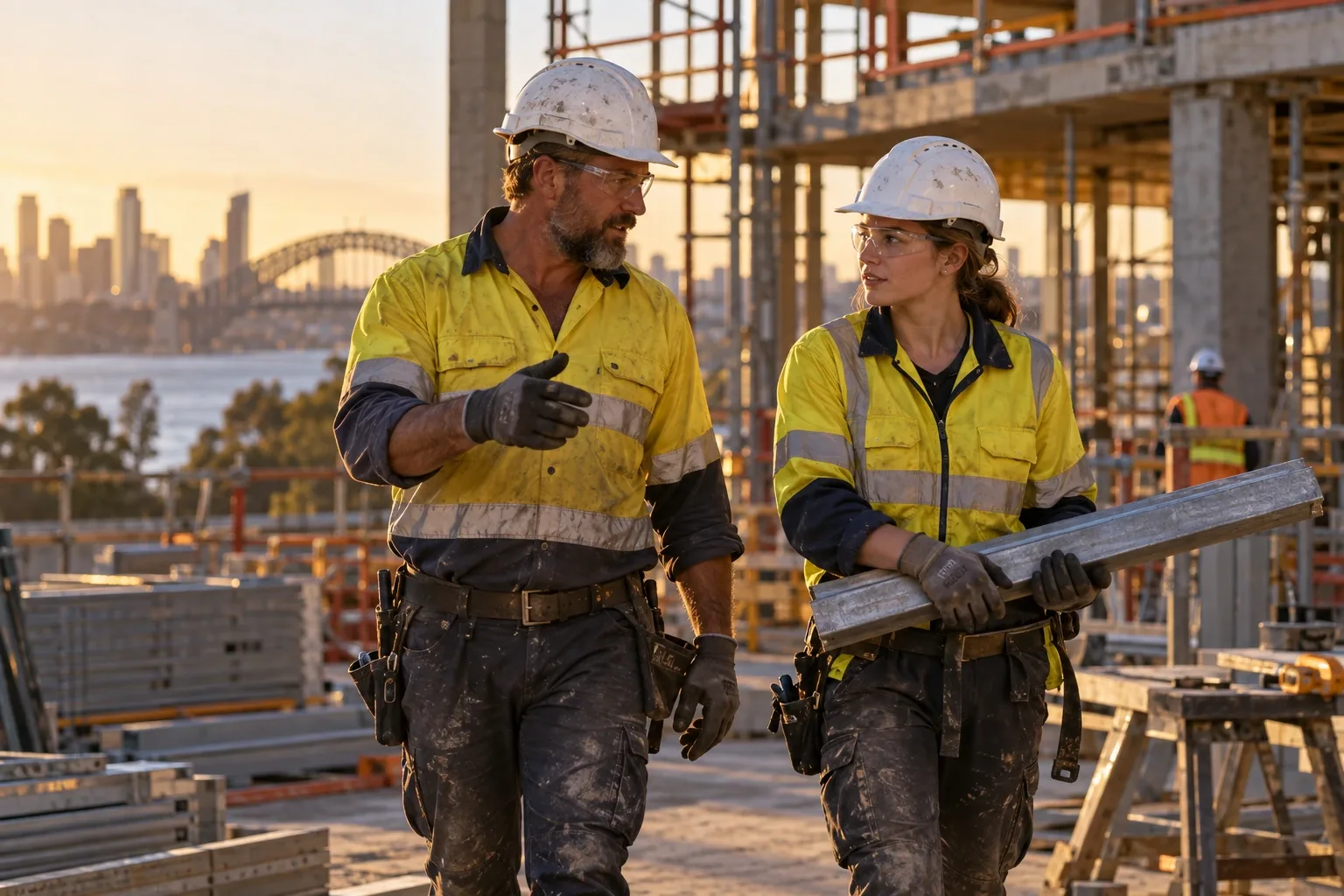
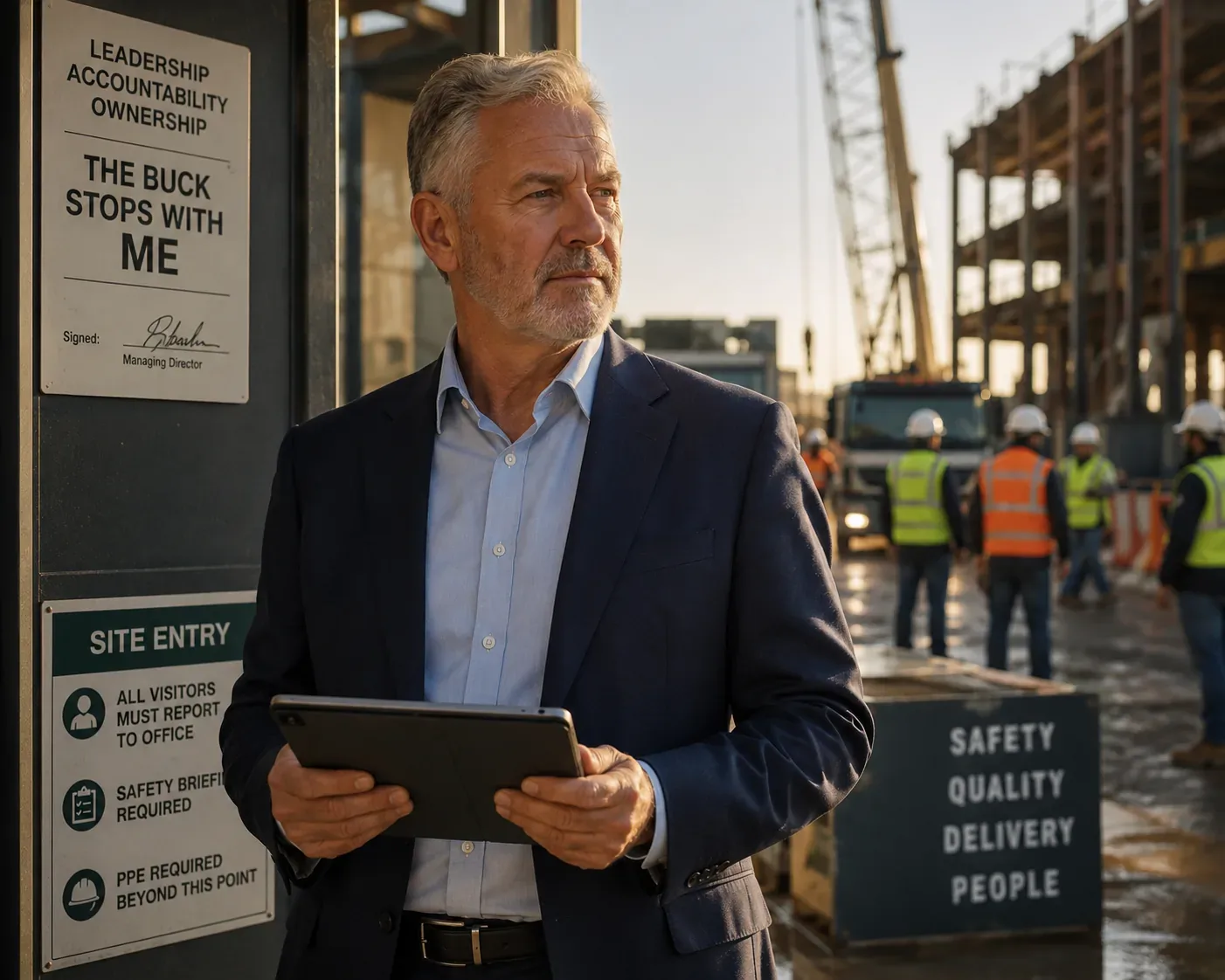
Industrial WHS 101: What Every Aussie Worker Needs to Know About Workplace Safety Laws
By the eCompliance Central content team, guided by Dr Denise Meyerson, PhD · June 2025 · 3 min read
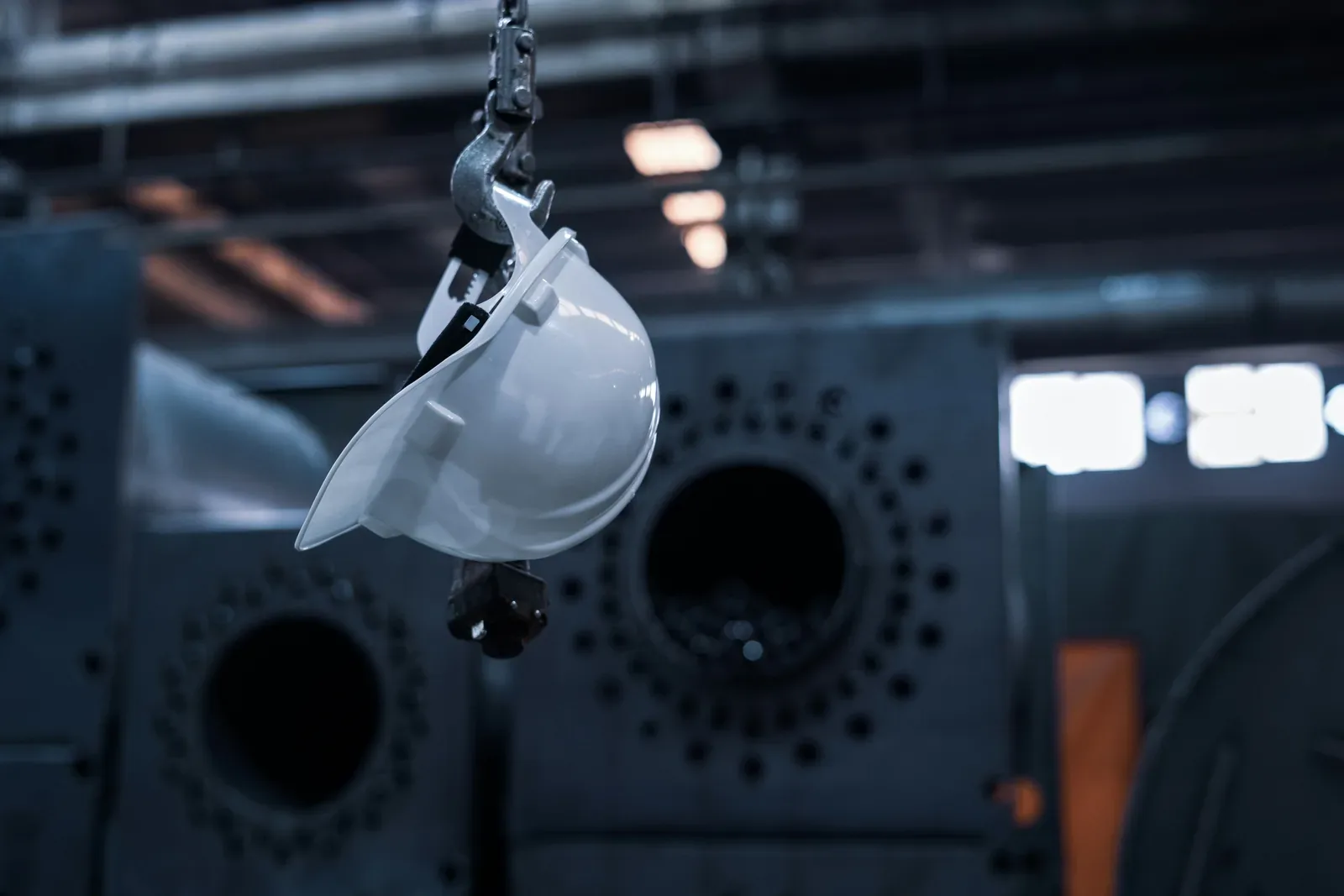
When you're working in a high-risk industrial environment in Australia, understanding your workplace safety responsibilities under WHS law isn’t just good practice—it’s a legal and ethical necessity. Every day, thousands of Australian workers are exposed to potential hazards, from heavy machinery and hazardous chemicals to high-noise environments and manual handling risks. If you’re an employee or employer in this space—be it a manufacturing business, wholesale business, food and beverages, or assembly line in the manufacturing industry—your role in maintaining workplace health and safety can mean the difference between a routine shift and a life-altering incident.
Under the Work Health and Safety Act 2011 (Cth) and related legislation like the Occupational Health and Safety Act 2004 and the Work Health and Safety ACT 2020, both employers and employees have defined WHS duties. Employers or any person conducting a business or undertaking (PCBU) must provide a work environment that is safe and without risks to health. Workers, including independent contractors and volunteers, must take reasonable care of their own health and safety, as well as that of others. This aligns with the Australian Work Health and Safety Strategy 2012-2022.
Key Responsibilities of Employees Under WHS Laws
Employees in industrial environments must:
- Understand and follow all standard operating procedures (SOPs)
- Use personal protective equipment (PPE) and safety devices correctly
- Identify and report hazards or risks promptly
- Cooperate with training and supervision
- Participate in safety drills and emergency plans
These responsibilities aren’t abstract. They apply to your day-to-day duties—whether you’re handling dangerous machinery, working with plant and machinery, or operating in high-risk areas. They reflect your duty of care and the requirements of systems of work designed to prevent injury.

Managing Hazards in Manufacturing and Industrial Settings
Common hazards in manufacturing include:
- Machinery and equipment hazards: Moving parts, crushing points, and entanglement risks
- Noise exposure: Long-term hearing damage requiring regular hearing tests
- Slips, trips, and falls: Especially around liquids or poorly maintained flooring
- Falls from heights: Often requiring safe plant procedures and fall arrest systems
- Hazardous chemicals and dangerous goods: From corrosives to flammables
- Hazardous manual tasks: That can lead to repetitive motions, muscle and tendon injuries, and internal organ damage
To manage these effectively, your Risk Management Plan should include:
- Hazard identification and prioritisation using a risk matrix
- Control measures such as guards, signage, and automation
- Incident investigators and workplace inspectors overseeing compliance
- Collaboration with health and safety representatives and committees
Emergency Procedures: What to Do When Things Go Wrong
In a high-risk work area, emergencies require instant action. Key safety protocols include:
- Knowing evacuation procedures and first aid kit locations
- Using fire extinguishers and chemical spill kits
- Identifying the role of principal contractors and supervisors
- Regularly practising drills with the safety reporting process integrated
This is particularly vital for sectors like printing and recorded media, non-metallic minerals, and primary and fabricated metal industries.

Building a Safety Culture in the Workplace
Establishing a culture of safety means:
- Management commitment to health and safety
- Recognition and reinforcement of safe behaviour
- Active support for mental health and psychosocial hazards management
- Collaboration with WorkSafe Victoria, WorkCover Queensland, WorkSafe WA, NT WorkSafe, and WorkSafe Tasmania
Safety culture thrives when everyone—from fast food franchisors to manufacturing teams—shares responsibility.
Why WHS Training Matters More Than Ever
A robust injury prevention and management program starts with quality training programs. eCompliance Central’s Workplace Safety Australia | Industrial Work Environment course covers:
- Legal obligations under the Work Health and Safety Regulation 2017 and model WHS Act
- Case-based scenarios tailored to manufacturing worker safety
- Guidance on licensing, registration and certification, especially around dangerous machinery
- Proactive strategies to comply with workers' compensation insurance policy obligations
This training is critical not just for compliance—but for protecting your contract of employment, your team, and your business.
Legislation You Must Know
Relevant laws and authorities include:
- Work Health and Safety Act 2011 (Cth)
- Work Health and Safety Act 2012
- Occupational Health and Safety Act 2004
- Work Health and Safety ACT 2020
- Regulatory bodies like Safe Work Australia, WorkSafe, and various state-specific agencies
These govern everything from WHS duties and occupational health and safety standards to the management of notifiable incidents.
Final Thoughts: Turn Compliance into a Competitive Advantage
Workplace safety is integral to the Australian economy. Whether you’re running a small industrial site or a national operation, embracing safety work environment practices ensures legal compliance and operational excellence.
About the Author
Ecompliance Central Content Team
This article was written by the Ecompliance Central Content Team, a group of compliance training experts dedicated to helping organisations across Australia and the USA build safer, smarter, and more legally compliant workplaces through targeted education and practical resources.
Common questions
A: The most effective approach includes ongoing training, clear safety protocols, active risk management, and a strong safety culture. Enrolling in structured programs like our Workplace Safety Australia | Industrial Work Environment course ensures your team understands their legal obligations under the Work Health and Safety Act 2011 and related regulations.
A: While our core WHS course introduces mental health awareness, we recommend pairing it with our Managing Psychosocial Hazards and Mental Health module to dive deeper into employee wellbeing strategies aligned with national frameworks.
A: You should enrol your team in both the Hazardous Chemicals Handling and Storage module and Emergency Response Planning training. These courses cover the use of PPE, safety devices, incident response, and compliance with dangerous goods legislation.
A: Yes, under WHS laws, principal contractors and persons conducting a business or undertaking (PCBU) have shared duties. Our Contractor Safety Management course helps ensure compliance across all parties, including licensing, supervision, and risk assessments.
A: Absolutely. We offer compliance training tailored for various sectors, including WHS in Food and Beverage Manufacturing, Printing and Recorded Media Safety, and Metal Fabrication Risk Management. Each course is designed with real-world hazards and legislation relevant to that industry.
A: Best practice recommends annual reviews and updates when roles, equipment, or laws change. Our training programs are modular, making it easy to refresh content regularly and ensure your workforce stays current with Safe Work Australia guidelines.
 eCompliance Central content team, guided by Dr Denise Meyerson, PhD.