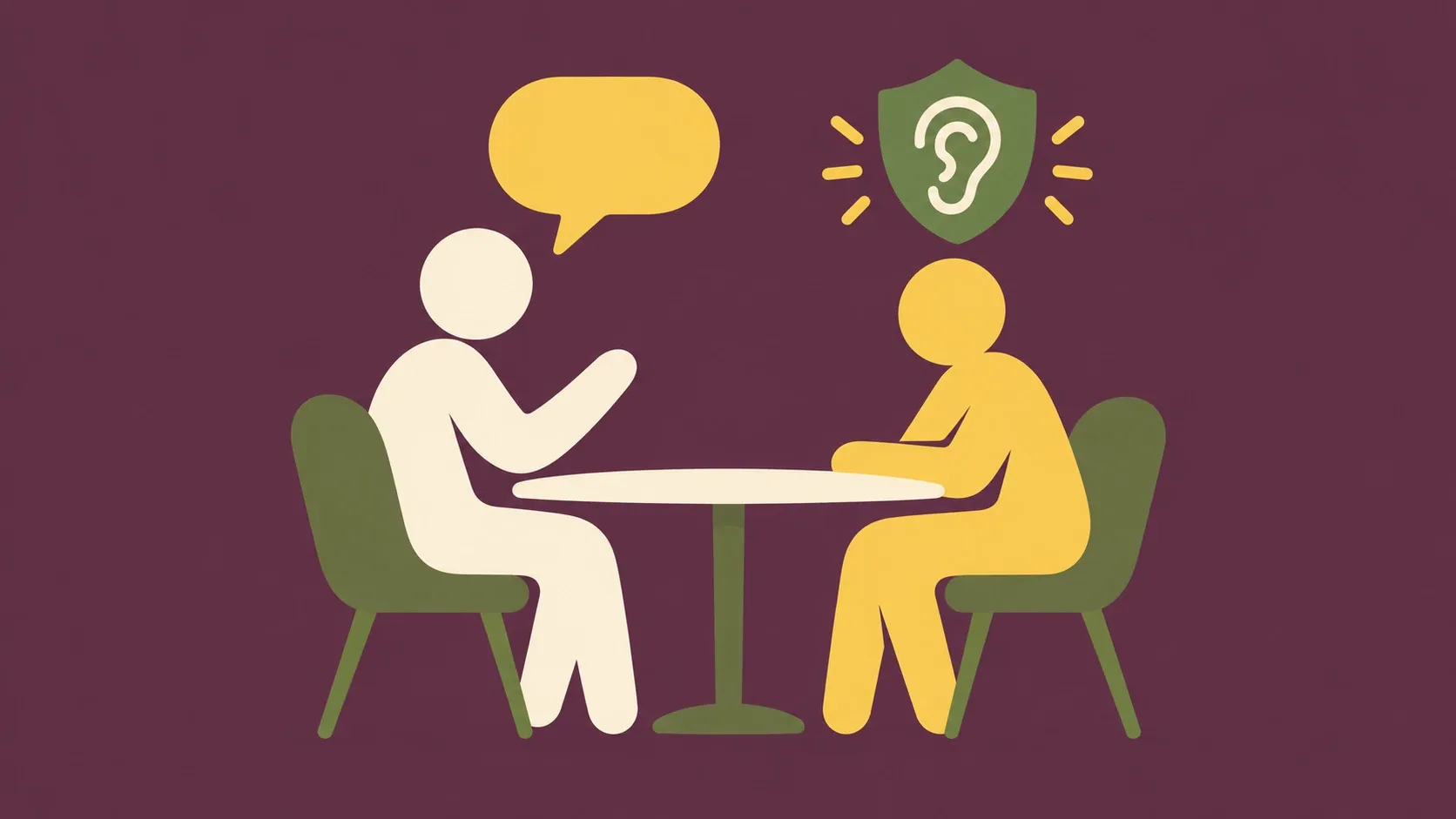
Brave Conversations — Building Psychologically Safe Workplaces
By the eCompliance Central content team, guided by Dr Denise Meyerson, PhD · Oct 2025 · 3 min read

Silence Is a Safety Risk
When employees are afraid to speak up, small problems turn into major risks. Unreported bullying, unresolved conflict, and unspoken mental health struggles can quickly escalate into Work Health and Safety (WHS) breaches, legal exposure, and cultural breakdown.
In today’s workplace, psychological safety—the shared belief that it’s safe to speak up without fear of humiliation or retribution—isn’t just good leadership. It’s a compliance requirement.
Under Australia’s evolving WHS and psychosocial hazard regulations, employers must address workplace culture as part of their duty of care. That means fostering open communication, where difficult issues can be discussed constructively.
Brave workplaces start with brave conversations.
What Are Brave Conversations?
Brave conversations are honest, respectful, and sometimes uncomfortable dialogues that strengthen trust. They happen when people feel safe to challenge ideas, give feedback, or report wrongdoing—without fear of retaliation.
These conversations are the cornerstone of psychological safety. They:
- Help teams learn from mistakes instead of hiding them.
- Reduce interpersonal tension and work-related stress.
- Enable early reporting of harassment, bullying, or discrimination.
- Support compliance by preventing small incidents from escalating into legal claims.
In a brave workplace, communication is an act of care, not confrontation.

Why Communication Is a Compliance Tool
Regulators like Safe Work Australia now recognise communication and culture as central to risk management.
Poor communication is a leading psychosocial hazard—just like excessive workload or occupational violence. Leadership that values empathy and clarity helps prevent:
- Psychological distress caused by unfair processes or poor feedback.
- Workplace incidents linked to conflict or exclusion.
- Compliance failures due to underreporting or silence.
By embedding empathy, listening, and fairness into daily practice, leaders turn communication into a proactive control measure under WHS law.
Courses That Build Brave Workplaces
Diversity, Equity and Inclusion in the Workplace
Teaches respectful dialogue, cultural awareness, and appreciation of diverse perspectives—essential for open communication.
Handling Complaints
Builds skills for managing conflict and feedback fairly, ensuring that employee voices are heard and issues are resolved confidently and compliantly.
Preventing Sexual Harassment & Introduction to Workplace Bullying and Harassment
Address the need for brave, transparent conversations around inappropriate conduct, setting clear boundaries while supporting psychological safety.
Psychological First Aid in the Workplace
Equips leaders to respond empathetically to distress or trauma during sensitive discussions, reinforcing compassion as a compliance behaviour.
Code of Conduct and Ethics
Provides the ethical framework that underpins all communication—clarity, accountability, and respect.
Together, these courses help organisations move from compliance-driven silence to trust-driven dialogue.

Turning Feedback into Growth
Teams that embrace feedback thrive. When managers invite reflection—“Try it, Tweak it, Trash it”—employees learn from mistakes rather than hide them.
Encouraging this mindset transforms compliance from a rulebook into a living culture of learning and accountability.
Fear-based or reactive leadership creates silence, disengagement, and higher risk. But when people feel heard, they contribute solutions.
That’s what brave communication achieves: a safe environment where honesty drives improvement.
Build a Brave Workplace with eCompliance Central
At eCompliance Central, we help organisations go beyond policy—to practice. Our communication and inclusion courses empower leaders to foster trust, empathy, and accountability while meeting psychosocial safety obligations under Australian WHS law.
Transform silence into dialogue. Create workplaces where conversations drive compliance—enrol in our communication and inclusion training today.
About the Author
The eCompliance Central Content Team, led by Dr Denise Meyerson, brings together expertise in leadership training, compliance education, and workplace wellbeing. We create courses that help Australian organisations strengthen culture, compliance, and trust through effective communication.

Read Next from Our Blog
Leadership is key to a safe workplace. Learn how to meet WHS obligations for psychological safety and build a culture of trust.
Read the Post →Common questions
It’s the belief that employees can speak up without fear of blame, punishment, or ridicule.
They surface issues early, preventing misconduct, legal breaches, and psychosocial risks.
Yes. Under WHS law, managing psychosocial hazards like poor communication is part of the employer’s duty of care.
 eCompliance Central content team, guided by Dr Denise Meyerson, PhD.