
Compliance, explained in plain English.
Guides and analysis on Australian workplace obligations — written by the team that builds the training.

The Real Compliance Training Risk
Compliance training risk has quietly become one of the most under-assessed exposures on the WHS register. Australian workplace law has moved fast since 2022, and a training suite built even two years ago may already…

Compliance Training: Beyond Completion
Australian organisations now face real pressure to prove that compliance training changes behaviour, not just completion dashboards. Yet a finished module rarely shows whether a worker can act correctly when a real…

Why Generic Manual Handling Training Wasn't Enough
Generic manual handling training may tick a box in the LMS, yet it rarely proves a specific workplace risk has been controlled. A recent Queensland court decision shows exactly where that gap opens up.

Managing Suspicious Activity and Safety Threats at Work
Suspicious activity and safety threats rarely announce themselves. Instead, they surface as small warning signs — an access breach, an aggressive interaction, a concern raised quietly and never recorded. This guide…

Informal Complaints at Work
Informal complaints at work often arrive quietly — a request for a quick chat, or a worker who insists they do not want to lodge anything formal. Too often, Australian organisations read these moments as…

Psychosocial Hazards at Work
Psychological health is no longer a peripheral HR concern; it sits at the core of work health and safety. For Australian organisations, managing psychosocial hazards at work is now a clear WHS obligation, a…
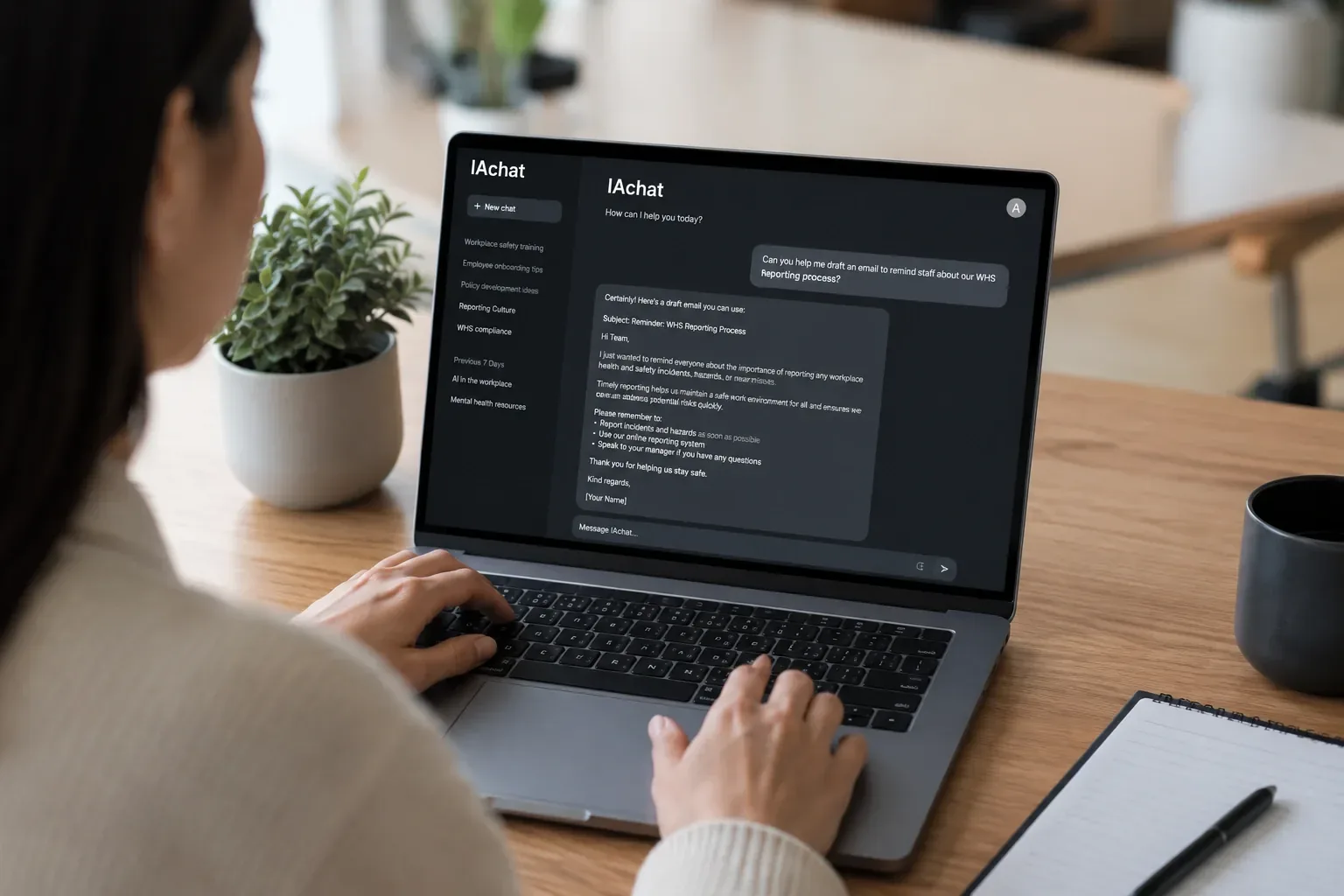
AI Compliance Training in Australia
AI compliance training in Australia has shifted from a specialist technology concern to a frontline workplace governance issue. Across Australian organisations, staff already use AI to summarise documents, draft…

WHS Due Diligence in Australia
After any workplace incident or psychological injury claim, Australian regulators now ask one pointed question: what did leadership know, and what did they do about it? WHS due diligence sits at the heart of that…

Psychosocial Hazards Are Now a WHS Priority
Workplace mental health has moved far beyond a wellbeing initiative. Across Australia, psychosocial hazards are now firmly embedded within WHS obligations — and regulators consequently expect organisations to manage…

AI Governance for Australian Employers
AI governance in Australian workplaces has moved well beyond the IT department — it is now a live compliance obligation touching WHS law, privacy regulation, discrimination frameworks, and leadership accountability.…
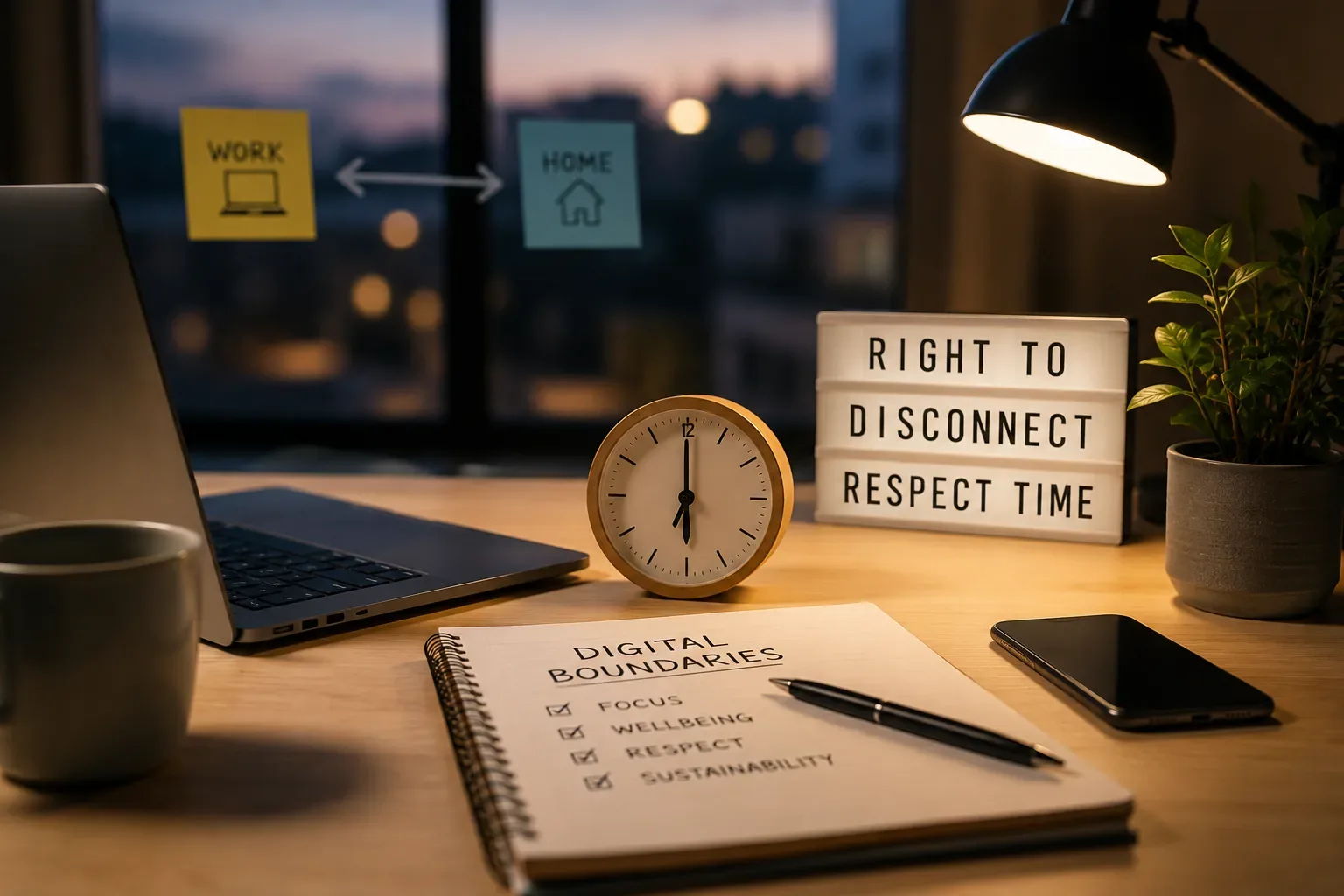
Right to Disconnect: WHS & Governance Risks
Australia's Right to Disconnect laws have fundamentally changed how organisations must manage after-hours contact, psychosocial hazards, and leadership accountability. For PCBUs, HR leaders, and WHS managers, the…

Safe Use of AI in Australian Workplaces
The safe use of AI in workplaces is no longer an IT question — it is a compliance obligation. Australian organisations that allow AI to operate without governance frameworks, documented risk assessments, or clear…
Compliance changes fast.
One email a month with the changes that affect Australian workplaces — no fluff.